Independent think tank · Montpellier · Since 2022

Mediterranean crustaceans and shellfish: what the measurements show.

MARESTRAN studies marine species in the Mediterranean and how they change, with a focus on crustaceans and shellfish. Since 2022 it has published one study a year. Each note brings together the available measurements on a subject, states where, when and how they were made, and proposes what should be measured in the Hérault.

Read the notes Our method

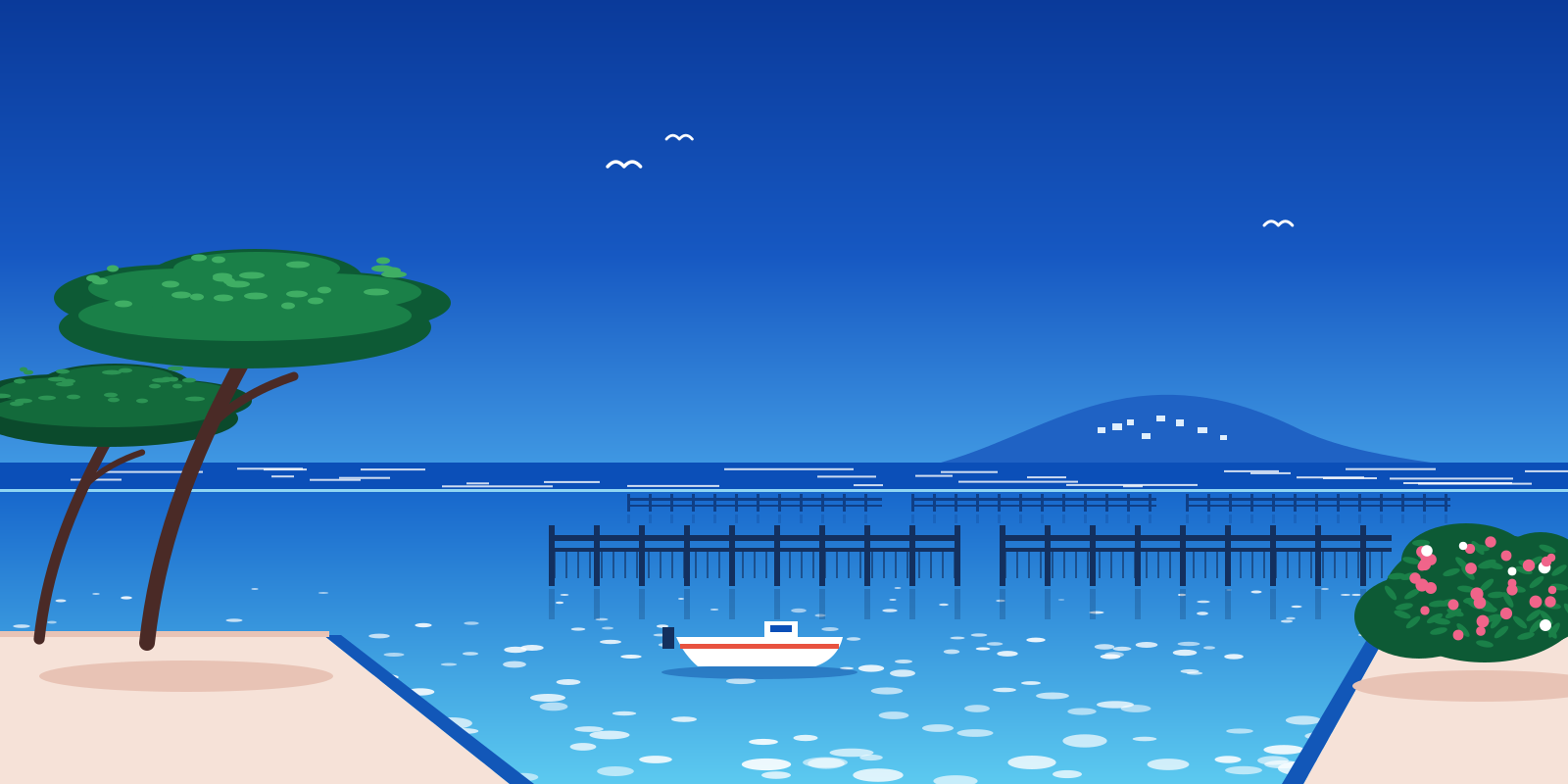
Illustration: the Thau lagoon with its oyster tables and a small boat, Mont Saint-Clair in Sète on the horizon.

Latest notes

All notes (5)

Thau lagoon MAR-2026-01

Lagoon warming and shellfish farming in the Thau lagoon

In August 2018, a malaïgue (summer anoxia) killed 2,703 tonnes of oysters in Thau and all the mussels, 1,218 tonnes. A fourteen-month experiment on lagoon water heated by 1 to 3 °C found near-total mussel mortality under every future condition tested. Oysters fared better, with survival close to 77% under the 2100 scenario.
Key measurements

A few of the measurements brought together in our notes. The method, sample size and source of each are given on the Publications page.

  • 324

    randomly drawn points in the Thau lagoon in spring 2023. Not a single grooved carpet shell was found.

    Thau, April and May 2023 · MAR-2025-01

  • 2,703 t

    of oysters lost in Thau in the August 2018 malaïgue, along with all the mussels, 1,218 t.

    Thau, August 2018 · MAR-2026-01

  • 29 °C

    exceeded for eight days in the Thau lagoon in summer 2018. Mussels die above 28 °C.

    Thau, summer 2018 · MAR-2026-01

  • 77 %

    oyster survival under the conditions expected for 2100, after fourteen months in warmed Thau water. Mussels barely survive.

    Thau, 2022 and 2023 · MAR-2026-01

  • 249

    blue crabs caught and declared in 2020 by about fifty fishers in the Thau lagoon.

    Thau, 2020 · MAR-2024-01

  • 26.7 mm

    size at first maturity of the Manila clam, measured by histology on 1,238 individuals.

    Arcachon Bay, 2021 · MAR-2023-01

What our notes cover

Five notes published since 2022, on the Gulf of Lion, the Hérault coast and the Languedoc lagoons.

  • Shore gathering and catch sizes

    Wedge clams are harvested on foot with a hand dredge in the shallows of the sandy beaches of the Gulf of Lion. Our notes compare minimum catch sizes with published sizes at first maturity.

    Wedge clam (Donax trunculus), Manila clam (Ruditapes philippinarum), Callista chione

    MAR-2022-01
    MAR-2023-01

  • Invasive species

    The Atlantic blue crab has been reported in the Occitanie lagoons since 2017. What is known about its distribution, its diet and the ways to monitor it.

    Blue crab (Callinectes sapidus)

    MAR-2024-01

  • Thau clams

    The grooved carpet shell was once a mainstay of lagoon fishing in Thau. Both its production and the number of fishers have fallen sharply.

    Grooved carpet shell (Ruditapes decussatus), golden carpet shell (Polititapes aureus)

    MAR-2025-01

  • Warming and shellfish farming

    The Thau lagoon is the largest shellfish-farming area on the French Mediterranean coast. For its mussel and oyster farms, summer is the critical period.

    Farmed oysters and mussels

    MAR-2026-01

What we propose to measure

  1. MAR-2022-01

    Wedge clam: three to five stations between the mouth of the Aude and Grau d’Agde, with monthly size-frequency sampling.

  2. MAR-2023-01

    Size at first maturity measured by histology, starting with the Thau clams and the coastal wedge clam.

  3. MAR-2024-01

    Blue crab: stomach-content analyses and reporting of damage to shellfish farms.

  4. MAR-2025-01

    Grooved carpet shell: an annual survey repeating the 2023 sampling design, with genetic identification of individuals under 30 mm.

  5. MAR-2026-01

    Thau: compile summer temperature and oxygen readings to count the days above 27 °C.

Elsewhere on the site